Every rule in our incident log is a mistake that already happened.
The procedures were written inside a working agent setup. Each one ends with a table of what went wrong and the rule that came out of it. Day 0 is the first incident the procedure records. A few rows, translated as they are:
Day 7
Parallel render jobs filled the disk with temporary files. Rule: account for resources before a wave of agents, and check free space after their reports.
Agents SOPDay 16
An operation in a shared repository swept up changes another session had staged. Rule: keep every operation to your own scope.
Agents SOPDay 25
A read-only agent returned its report in the reply and never wrote the file. Rule: give writing to a session that has edit permission.
Agents SOPDay 30
Synthetic keystrokes from a test could have landed in an app a person was using. Rule: check the active app and idle time before automated input.
Agents SOPThe same agents built the checkout of an online course business.
One client sells online courses to students. With AI agents we built their checkout, their sales pages and their email templates, and we draft their campaign emails and ads. A person reads each one before it goes out. The cart recovery emails are fixed templates a person approved once, and the checkout sends them by itself. The client agreed to these screenshots on one condition: that we don’t name them.
None of these results come from the Pack, which did not exist in September. Most of the revenue rests on the client’s own audience, built over years, their courses and their ad budget. The Pack is the set of rules we wrote down while doing this work and getting parts of it wrong. It makes no promise about revenue.


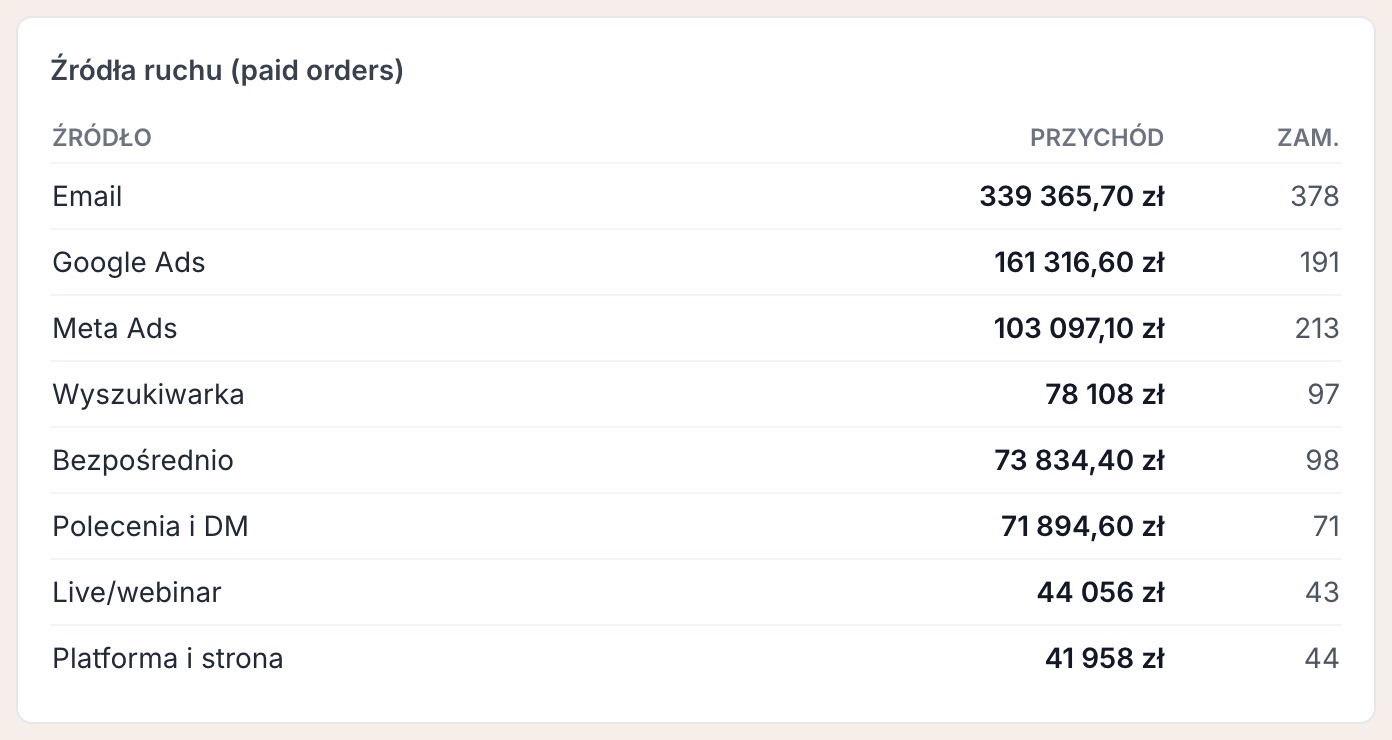
The screenshots are unedited apart from cropping. Product names, coupons and customer data are outside the frame.
Guards for the machine, procedures for the operator.
The guards catch the moment an agent is about to do something you cannot take back. The procedures describe how the work is set up so that it rarely comes to that.
Seven guards
Four for the step you cannot undo: send-guard, spend-guard, deploy-gate, secrets-exfil-guard. Three for housekeeping: subagent-model-guard, root-files-guard, copy-guard. 605 test cases across the seven, each with the call and the expected answer.
An installer that asks first
Dry run, a backup of changed settings, selective install, uninstall. It never chooses a real profile for you and makes no network calls.
Working with agents
How to brief, split and check the work of several agents, which decisions stay with the human, and the table of mistakes above.
Written outreach and the client’s voice
Two procedures: outreach done in writing, with a give-first first message, and copy written in the client's own voice from real samples.
The Copy Desk
A Claude Code skill that writes and edits sales copy in the order a senior copywriter works: intake, reader diagnosis, offer test, draft, cut. It is built to refuse numbers, testimonials and client names you did not give it, and it ends every job with a table of each claim and its source, so you can see anything that slipped through before it goes out.
The method is written in our own words from five sources: Eugene Schwartz's Breakthrough Advertising, Masterson and Forde's Great Leads, Alex Hormozi's $100M Offers, Gary Halbert's Boron Letters and Stephen King's On Writing. None of the authors is connected with Aizen or has reviewed it.
We tested it blind against a plain prompt on the same one-paragraph brief for this Pack, with a separate AI reviewer, in a fresh session that did not know which page was which, reading both against the product's real facts. The plain page made ten claims it could not back up, four of them serious. The Copy Desk page made four, none serious. Both pages still needed edits before they could go out. The briefs, both pages and the reviewer's report ship with the skill, so you can read the test yourself. Step two of the method is free to try: the reader diagnosis.
Who it is for, and who it is not for
It is for one person, or a small team, running real client or company work through Claude Code with MCP tools connected: mail, ads, publishing, payments, deploys.
It is not for you if you need a security product. The guards read tool names and arguments. They do not stop prompt injection and they are not a boundary against an agent that can edit your hooks. Every README has a Limits section; read it before you buy.
Requirements: Claude Code, Bash and the Python 3 standard library. Tested on macOS. Linux has not been verified yet.
Questions
How is this different from the free send-guard?
send-guard is one of the seven, and it is complete on its own. The Pack adds the other six guards, the Copy Desk skill and the three procedures.
Why pay, if the guards are plain Python?
You could write your own. The Pack is the tested set, an installer with dry run, backup and uninstall, and three procedures, so you start from a working setup. If you only need sends held, send-guard does that for free.
Can I read the code before I trust it?
send-guard, yes: it is free and open source under the MIT licence, with its code and tests in the free download, so you can read all of it before you pay. The other six are plain Python with their tests next to them. The installer makes no network calls.
Can I use it on a team?
One purchase covers one person. send-guard is MIT and free for anyone; the other six guards and the procedures are under the Pack licence. For a team, write to kacper@aizen.one. The full Pack licence is in the terms.
What if it does not work for me?
You have 30 days to ask for your money back: write to kacper@aizen.one within 30 days of purchase and we refund the full price. No questions, no form.